
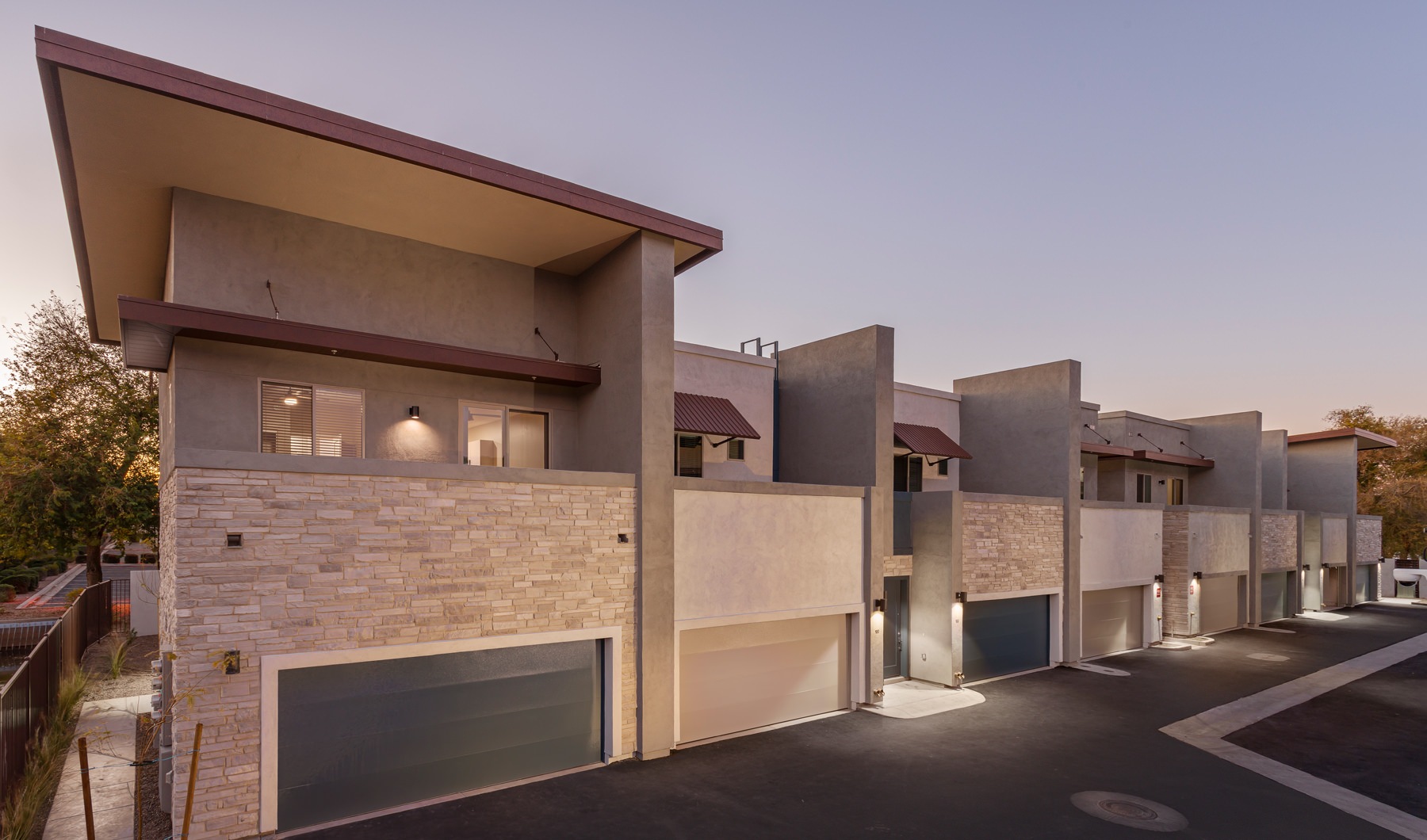
Build-to-rent housing is experiencing a defining moment. After years of steady growth, the product type is poised to become a mainstream housing solution, driven by compelling economics, changing renter demographics, and a unique ability to deliver what today’s renters actually want: the space and feel of a single-family home without the commitment and costs of ownership.
Recent policy developments—including exemptions for BTR from proposed restrictions on institutional investors—have brought additional attention to the sector. But the real story isn’t about regulatory tailwinds. It’s about how BTR communities are solving a fundamental challenge: providing quality housing options for the millions of Americans who need or want to rent but have outgrown traditional apartments, as well as those unable to buy a home that meets their budget.
The Economics That Make BTR Work
The financial case for renting has never been stronger. On average, a mortgage was more expensive than renting a home in all of the 50 largest U.S. metros in 2025, according to Bankrate. With the average 30-year fixed mortgage rate at 6.01%—more than double the 2.65% rate from early 2021—the monthly cost difference between owning and renting has widened dramatically.
Consider the math: A typical home purchase requires a substantial down payment, ongoing maintenance costs, property taxes, homeowners insurance, and HOA fees. BTR communities eliminate most if not all of those variables while providing comparable—often superior—living spaces with professional property management and maintained common areas.
Industry experts frame BTR’s value proposition simply: imagine creating communities that feel like traditional single-family neighborhoods, but without requiring the largest financial investment of most people’s lives.
Real estate professionals see BTR addressing a fundamental market gap. People want the structure and feel of a single-family home, but current mortgage rates and pricing have made ownership unrealistic for many. Build-to-rent communities offer a practical way around the affordability crisis.
The Evolution of a Housing Solution
Since 2012, more than 321,000 BTR homes have been constructed across the U.S., according to John Burns Research and Consulting, with over three-fourths of that supply delivered in just the past five years. This isn’t speculative development—it’s a response to genuine market demand.
BTR’s share of single-family construction has grown from around 4% in the early 2020s to about 7% by mid-2025, according to Arbor Realty Trust. Developers built 71,000 BTR units nationally in the 12 months ending in June 2025—the highest annual total on record. Major institutional players have shifted their strategies toward purpose-built rental communities rather than purchasing existing homes.
The reason is straightforward: BTR adds to housing supply rather than competing for it. These are new homes built specifically for rental—communities that wouldn’t exist without this development model.
Who’s Renting BTR—and Why
The demographics driving BTR demand might surprise you. This isn’t primarily a young renter story—it’s much broader.
According to operators of large BTR portfolios, the average tenant age hovers around 51 years old. About 70% of residents fall into the empty nester category, with 25% young professionals and 5% divorced individuals making up the remainder.
Industry researchers also note that people are remaining renters much longer than in previous generations, reflecting a fundamental shift in American housing patterns. The median age of first-time homebuyers has risen to 40 years, according to the National Association of Realtors—an all-time high. First-time buyers now represent just 21% of home purchases, a record low.
These aren’t people who can’t afford housing—they’re making intentional lifestyle choices. Empty nesters are downsizing from large homes but want yard space and privacy. Young professionals value flexibility for career moves. Families appreciate not being tied to a 30-year mortgage when job markets and life circumstances can change quickly.
What Makes BTR Communities Different
The BTR product itself has evolved significantly to meet diverse renter needs. BTR encompasses various living styles—detached single-family homes, ranch houses, and townhomes—all designed to deliver experiences that traditional apartments simply can’t match.
The distinction between today’s BTRs and traditional multifamily matters enormously to residents. BTR communities typically offer:
Private outdoor spaces – Whether it’s a fenced yard, patio, or courtyard, residents have dedicated outdoor areas that feel like their own
Attached garages – Direct access from home to vehicle, plus storage space that apartments rarely provide
Multi-level layouts – Genuine separation between living, sleeping, and common areas that creates a true home feel
Pet-friendly design – Many communities include dog parks, pet doors, and washing stations
Modern finishes and appliances – Purpose-built homes feature current design standards and energy-efficient systems
Professional management – Maintenance issues are handled quickly without the burden of homeownership
The Investment Case
From the capital side, BTR offers compelling advantages over both traditional multifamily and scattered-site single-family rentals. Concentrated BTR communities are significantly less expensive to manage than individual homes scattered across different areas. Economies of scale apply to everything from landscaping and maintenance to leasing and resident services.
Industry analysts report demand for BTR projects coming from diverse sources: traditional multifamily investors, 1031 exchange buyers, family offices, and scattered-site operators looking to gain exposure to purpose-built rental communities. Developers note substantial untapped demand because BTR remains relatively new as an institutional product type.
Some operators have adopted long-term hold strategies, building with construction loans and then securing permanent financing once properties are built and occupied. This approach reflects strong confidence in BTR fundamentals and the sector’s long-term viability.
Looking Forward
The outlook for BTR remains strong despite broader multifamily market challenges. National rent growth in the single-family rental market has decelerated but remained positive at 3.3% year-over-year through October 2025, according to Arbor Realty Trust.
Industry experts acknowledge near-term headwinds from supply pressures and interest rates but remain optimistic about the longer-term trajectory. Many developers are moving forward with projects now, expecting market conditions to improve over the next 12 to 18 months rather than waiting for perfect conditions.
The fundamentals support optimism: growing acceptance of long-term renting, demographic shifts toward older first-time buyers, economic advantages versus homeownership, and strong demand for housing that offers the space and privacy of single-family homes with the flexibility of renting.
BTR isn’t replacing homeownership—it’s providing a quality alternative for the millions of Americans whose needs, preferences, or circumstances make renting the better choice. As that population continues to grow, built-to-rent communities are positioned to deliver exactly what the market demands.
Sources: John Burns Research and Consulting, Arbor Realty Trust, RealPage, Bankrate, National Association of Realtors, Wall Street Journal, Bisnow