
Phoenix has long been known for its sunshine and sprawl, but in 2025, it’s earning a new reputation—as one of the country’s most dynamic engines of economic growth. A confluence of tech sector expansion, manufacturing investment, and historic job creation is reshaping the region’s trajectory and fueling strong demand across the real estate spectrum.
For investors, developers, and businesses eyeing high-growth markets, the Greater Phoenix area is no longer just a Sun Belt darling—it’s becoming a strategic cornerstone for national and global industry.
Tech at the Center of Arizona’s Growth Agenda
At the heart of Phoenix’s transformation is the booming semiconductor and advanced technology sector. The recent SEMICON West conference in San Francisco spotlighted Arizona’s central role in the future of chipmaking. With over $77 billion in investment commitments from global giants like TSMC, Intel, and Amkor, Arizona is fast becoming one of the top semiconductor hubs in North America.
The state has moved quickly to support this growth, forming the Arizona Semiconductor Investment Forum and launching workforce development initiatives to meet the sector’s evolving talent needs. These include partnerships with ASU and Maricopa Community Colleges aimed at producing thousands of engineers and technicians annually.
For Phoenix, this isn’t just about jobs—it’s about anchoring a long-term innovation economy. The clustering of semiconductor players is attracting complementary industries such as AI, electric vehicles, robotics, and cybersecurity. This ripple effect is creating both high-wage employment and demand for real estate—from clean rooms and lab space to executive housing and Class A office space.
Manufacturing Momentum Reaches Record Levels
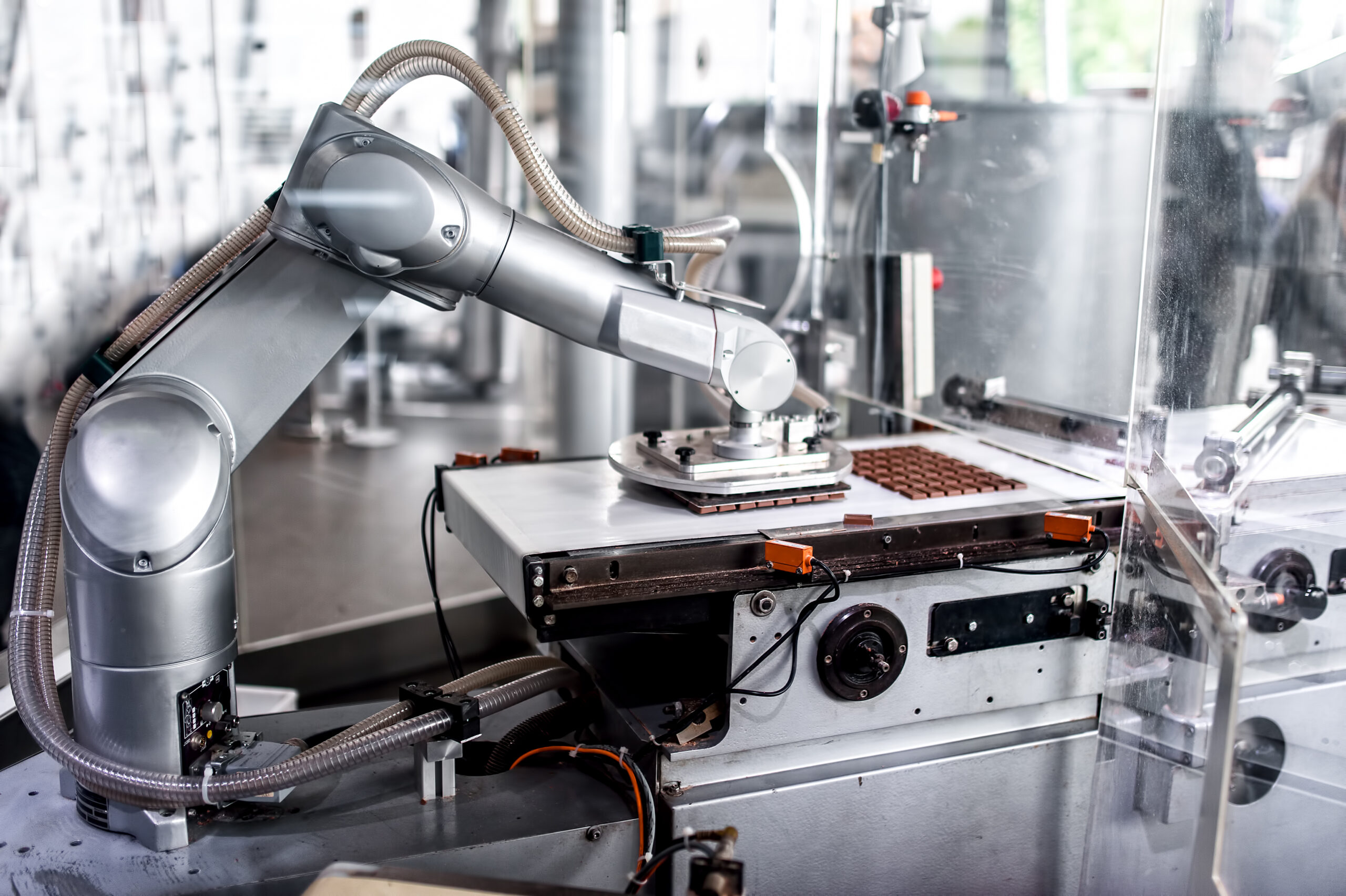
While tech gets the headlines, Arizona’s broader manufacturing boom is equally transformative. According to Orion Investment Real Estate, manufacturing investment across the state reached a historic high in 2025, contributing to the fastest GDP growth Arizona has seen in decades.
Key sectors include aerospace, EV production, battery technology, and defense, bolstered by federal funding and robust private capital. Phoenix, with its strategic location, pro-business climate, and ample land availability, has become the preferred base of operations for many of these companies.
This expansion is driving demand for industrial space at an unprecedented pace. Developers are responding with new logistics parks, specialized manufacturing facilities, and build-to-suit campuses. Vacancy rates remain tight despite increased deliveries, and land values—especially in the West Valley and Southeast Valley—continue to climb.
The long-term nature of these investments also suggests stability. Unlike some sectors prone to short cycles, advanced manufacturing requires deep infrastructure, long lead times, and a highly trained workforce—making these projects sticky by design.
Job Creation Surges: The People Powering the Boom
Perhaps the most telling indicator of Phoenix’s economic rise is its job growth. Arizona added a record-breaking 24,285 new jobs in the first half of 2025 alone, according to Orion, powered by $31 billion in combined public and private investment. That’s more than double the pace of job creation in the same period last year.
Phoenix is a major beneficiary of this surge, with thousands of positions added in high-tech manufacturing, logistics, healthcare, and finance. Employers are choosing Arizona not just for its business incentives and tax environment, but for its access to a growing, young, and increasingly skilled workforce.
This influx of people and talent is having immediate implications for the real estate market:
- Multifamily developers are racing to keep up with demand, especially in submarkets like Mesa, Goodyear, and Chandler.
- Single-family build-to-rent communities are flourishing, offering housing solutions for new workers not yet ready to buy.
- Retail and service sectors are experiencing renewed vitality as population growth fuels local demand.
- Office users in tech and engineering are seeking flexible, high-quality spaces near employment centers and transit corridors.
What It All Means for Stakeholders
Phoenix’s convergence of tech, manufacturing, and workforce growth is more than just a headline—it’s a durable, data-backed trend with significant implications for investment and development strategy. With long-term industrial users anchoring demand and a steady inflow of skilled labor, Phoenix is positioning itself as a modern growth engine for the U.S. economy.
For real estate professionals, now is the time to align portfolios with the sectors—and locations—benefiting from this surge. From Tempe’s innovation corridors to the industrial corridors of Buckeye, the opportunities are wide-ranging and grounded in fundamentals.
Phoenix isn’t just growing—it’s evolving. And in 2025, the story is just beginning.